

Exploring Age-Defying Intensity


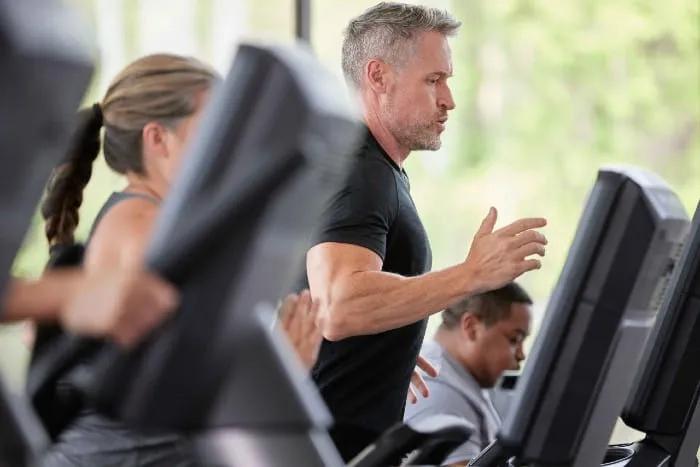
Whether it’s one of your fitness facility members, part of your staff or the person staring at you in the mirror, you probably know someone who would like to regain their youthful vitality. As a fitness professional, you can help everyone you work with re-energize their life by encouraging the kind of high-intensity exercise that makes them feel better and can even slow their rate of aging at the cellular level.
The Science of Aging
As the father of aerobics, Dr. Kenneth Cooper has spread the word about the value of exercise, and he knew it was critical for maintaining energy throughout life. “We do not stop exercising because we grow old,” he wrote in his bestselling book, Aerobics. “We grow old because we stop exercising.”
But what does “old” age feel like? Typically, this feeling is characterized by low vitality and lower physical capacity. It’s being easily fatigued by daily tasks or lacking the energy to remain enthusiastic and engaged in life. Yet fatigue is common at all ages, especially in those who are physically inactive. What’s more, low energy in older adults is an independent predictor of a shorter life. These undesirable effects stem from a progressive loss of fitness that reduces energy production throughout the body.
Research confirms Dr. Cooper’s ideas about age, revealing that when we stop exercising, we feel older. In fact, our cells gradually produce less energy, leading to more fatigue. The good news is that regular exercise can reverse this loss of energy, revitalizing those who make working out a habit. Better still, high-intensity exercise can actually cause our cells to function as though they are younger.
Fighting Aging With Intensity
Fitness facilities like yours are ground zero in the battle against aging because they offer a motivating environment with plenty of challenging exercise options. However, many of your members are likely unaware that higher-intensity exercise is superior to increased exercise duration when it comes to improving heart health and increasing longevity.
Although moderate and high-intensity exercise can both improve vitality, research shows that workouts that reach higher intensities have a lower time commitment and greater adherence rates in real-world gym settings. And compared to moderate intensities, high-intensity exercise elicits more positive emotional responses afterwards. Even those in their 80s and 90s notice the all-around boost from high-intensity interval training (HIIT), with one subject of a recent study saying, “I feel energized … and I was proud of myself after the exercise.”
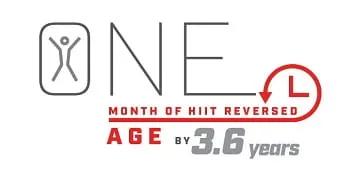
High-intensity exercise drives powerful changes on the cellular level as well. We know exercise improves cellular function because age-associated changes to our cells can be measured by how cells express their DNA and which specific proteins they make. Cells function as though they are much younger in avid exercisers, and cell aging appears to slow or even reverse when subjects start exercising with higher intensities. For example, one study assessed adults aged 40 to 65 after a month of HIIT. In addition to feeling much better, a single month of HIIT reversed their cellular age by 3.6 years. With only 12 HIIT workouts, these individuals turned back the clock on their cells, gaining significant health and longevity benefits.
Curious about the HIIT protocol?
In the study, workouts were three times per week, once each on a spin bike, treadmill and rower. Each workout was about 23 minutes in duration and included a two-minute warmup, 10 high-intensity intervals (one minute exceeding 90% of maximum heart rate), each followed by a minute of rest or low-intensity movement and a brief one-minute cooldown.
Results They Can Feel
Most of the people at your fitness facility have probably never considered the relationship between exercise, vitality, and cellular age. By sharing your insights, you can give them a powerful new reason to try high-intensity exercise. They’ll get a workout that’s efficient, challenging and rewarding, and they’ll feel and function better in all the ways that matter.
Karlie Intlekofer, PhD, CNC, CPT
References
Glynn et al. Perceived physical fatigability predicts all-cause mortality in older adults. J Gerontol 2022; 77(4): 837-41. https://doi.org/10.1093/gerona/glab374
Lohman et al. High-intensity interval training reduces transciptomic age: A randomized controlled trial. Aging Cell 2023; 22(6): e13841. https://doi.org/10.1111/acel.13841
Puetz et al. Effects of chronic exercise on feelings of energy and fatigue: A quantitative synthesis. Psychol Bulletin 2006; 132(6): 866-76. https://doi.org/10.1037/0033-2909.132.6.866
Santanasto et al. Skeletal muscle mitochondrial function and fatigability in older adults. J Gerontol A Biol Sci Med Sci 2015; 70(11): 1379-85. https://doi.org/10.1093/gerona/glu134
Schnohr et al. Intensity versus duration of cycling, impact on all-cause and coronary heart disease mortality: The Copenhagen City Heart Study. Eur J of Prev Cardiol 2012; 19(1): 73-80. https://doi.org/10.1177/1741826710393196
Shepherd et al. Low-volume high-intensity interval training in a gym setting improves cardio-metabolic and psychological health. PLoS ONE 2015; 10: e0139056. https://doi.org/10.1371/journal.pone.0139056
Teixeira & Palmeira. Needs satisfaction effect on exercise emotional response: A serial mediation analysis with motivational regulations and exercise intensity. Motriz: Revista de Educação Física 2016; 22(4): 368-75. https://doi.org/10.1590/S1980-6574201600040023
Olsen et al. Increased self-efficacy: The experience of high-intensity exercise of nursing home residents with dementia – a qualitative study. BMC Health Serv Res 2015; 15(379). https://doi.org/10.1186/s12913-015-1041-7
Wanderley et al. Associations between objectively assessed physical activity levels and fitness and self-reported health-related quality of life in community-dwelling older adults. Qual Life Res 2011; 20: 1371-8. https://doi.org/10.1007/s11136-011-9875-x
