

Why Guided Fitness Programming Belongs in Luxury Hotel Wellness


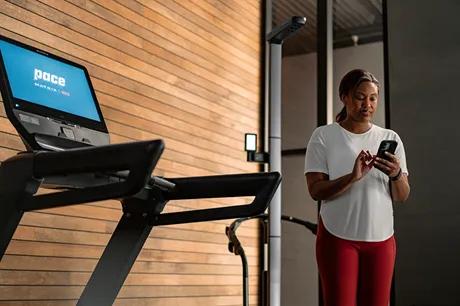
Luxury travelers are paying closer attention to how they sleep, recover, train and feel during stay. Many no longer view travel only as a break from routine. They see it as a restorative opportunity and a way to keep healthy habits in motion.
That shift gives the hotel fitness center a larger role.
A fitness space can still offer high-quality equipment, but access alone is no longer enough. Guests need a clear starting point, useful direction and a way to connect the space to their personal goals.
Body composition insight and guided fitness programming can help create that connection. One gives the guest useful information. The other turns that information into movement.
Hotel Fitness Needs to Be Easier to Start
Luxury hotel fitness centers have changed a lot. Many now feel closer to private clubs than traditional hotel gyms, with better equipment and a more polished design.
The guest experience can still break down at the point of use.
Travel adds friction around fitness. Time is limited. Energy can be lower. The room may be unfamiliar. Guests who train often may still not want to plan a workout from scratch between meetings or personal plans.
Guided programming helps reduce that friction. It can help guests choose a session based on time or goal, then move through the workout without stopping to decide what comes next.
The question for hotel fitness is not only whether the room has the right equipment. The better question is whether guests can use the space with less effort.
Body Composition Gives the Guest a Better Starting Point
Body composition insight can make hotel fitness feel more personal without making the property responsible for medical care.
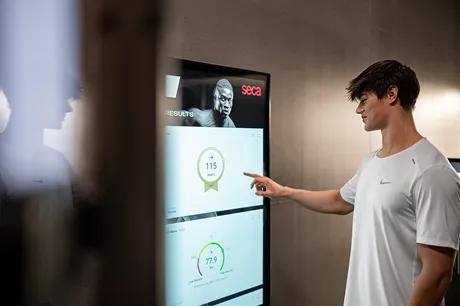
A guest can learn more about their fitness profile, including measures tied to muscle, body fat or training balance. That information gives them a better place to begin than a general workout menu.
The scan should not stand alone. If the next step is unclear, the experience can feel incomplete.
Guided programming gives that insight somewhere to go. It helps the guest connect what they learned to movement they can perform in the fitness center. The experience becomes less about receiving a number and more about using that information during the stay.
PACE Brings Measurement and Programming Together
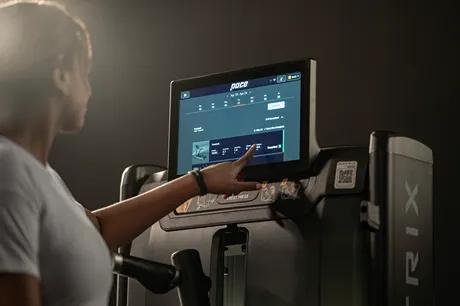
PACE was built around this connection. It combines Matrix cardio and strength equipment, seca body composition technology and an AI-guided programming engine to help users move from measurement to training.
The experience begins with seca’s body composition measurement. From there, PACE uses measurement data, equipment performance and user input to build programming aligned to the individual. The training path can adapt over time based on progress and feedback.
That matters in hospitality, where fitness use is often self-directed. A guest may not meet with a trainer. Staff may not be present in the fitness center. A traveler may have only a short window to work out.
PACE can add guidance to the experience without requiring a trainer on the floor at every hour.
The partnership with seca adds credibility to the measurement side of the experience. Matrix then connects that insight to guided workouts through equipment and programming. The result is a fitness experience that feels more personal while still fitting hospitality operations.
The PACE Experience Changes by Guest Type
PACE should not be positioned the same way for every hospitality setting.
For a short-stay guest, PACE can function as a premium wellness amenity. It helps the guest get an efficient, guided workout without needing to know the fitness center layout, equipment or programming. The experience may begin and end during that stay, and that can still have value.
A long-stay guest, owner, member or resident has a different relationship with the property. Repeat use becomes more realistic. Body composition visibility can become part of an ongoing fitness routine. Adaptive programming can support progress over time.
That distinction matters for hospitality operators. Hotels, resorts, villas, serviced apartments, branded residences and mixed-use properties may all look at guided fitness differently. A hotel may use it to improve the short-stay fitness experience. A residence may use it to support a more connected wellness offer for people who return often or live on property.
PACE gives operators flexibility across those use cases. The same connection between measurement and programming can serve a guest who wants one efficient workout and a resident who wants ongoing support.
Guided Fitness Can Support a Better Business Case
Hotel fitness centers require space, equipment investment and upkeep. Yet many properties still treat the gym as a standard amenity rather than a service that can contribute more to the business.
Body composition insight and guided programming can help change that conversation.
A property may offer body composition assessments as part of a wellness package. A resort may pair guided fitness with recovery services. A residence may use recurring check-ins to support wellness members or long-term guests.
PACE can help operators build this type of experience without starting from scratch. It connects measurement, programming and equipment use in a way that can fit inside existing fitness spaces.
That makes it useful for properties that want a more personal wellness offer without building a full clinical program.
Longer Stays Give Guided Fitness More Room to Grow
Wellness tourism is growing, and luxury hospitality is responding with more attention to prevention, longevity and wellness-focused residences. The Global Wellness Institute projects wellness tourism to reach $1.4 trillion by 2027, up from $720 billion in 2019.
That growth helps explain why longer-stay formats are getting more attention. People want travel that supports recovery and health goals, not only time away.
Body composition insight and guided programming can fit many hospitality settings. Longer stays give the model more room to grow.
A guest staying several days can follow a plan across the stay. A repeat guest can return to a familiar training experience. A residence guest may use body composition insight and guided programming as part of a routine that continues over time.
This makes the idea a natural fit for resorts, serviced residences, branded residences, mixed-use properties and long-stay hotels. These settings give guests more time to use fitness as part of daily life rather than a single workout during travel.
What Luxury Hotel Fitness Can Become
Medical wellness answers a growing desire for credibility and measurable progress. Consumers are taking a more active role in their health, and many now expect science-backed solutions, personalization and results they can understand.
That changes the role of the fitness center. It is no longer only an amenity. It can become a platform for prevention, longevity, strength, recovery and sustained wellbeing.
The room will still need the right equipment, layout and design. The difference is what surrounds those pieces: trusted measurement, guided programming and a clearer path from intent to movement.
PACE gives hotels one way to build that path. It connects body composition insight with AI-guided workouts, helping guests move with more direction and helping operators create a fitness experience that can scale across different property types.
Luxury hotel fitness will not be defined only by how the space looks. It will be defined by how easily guests can use it, how well it supports their goals and how naturally it fits into the stay.
For short-stay guests, that may mean a better workout with less guesswork. For residents, members and owners, it may mean a more connected wellness experience that supports repeat use and progress over time.
That is where the next opportunity sits: a fitness center that does more than offer access. It helps people act on what they learn about their health.
